
Harness Intelligent Predictive Analytics with Groe Solutions | Churn Prediction & Business Intelligence
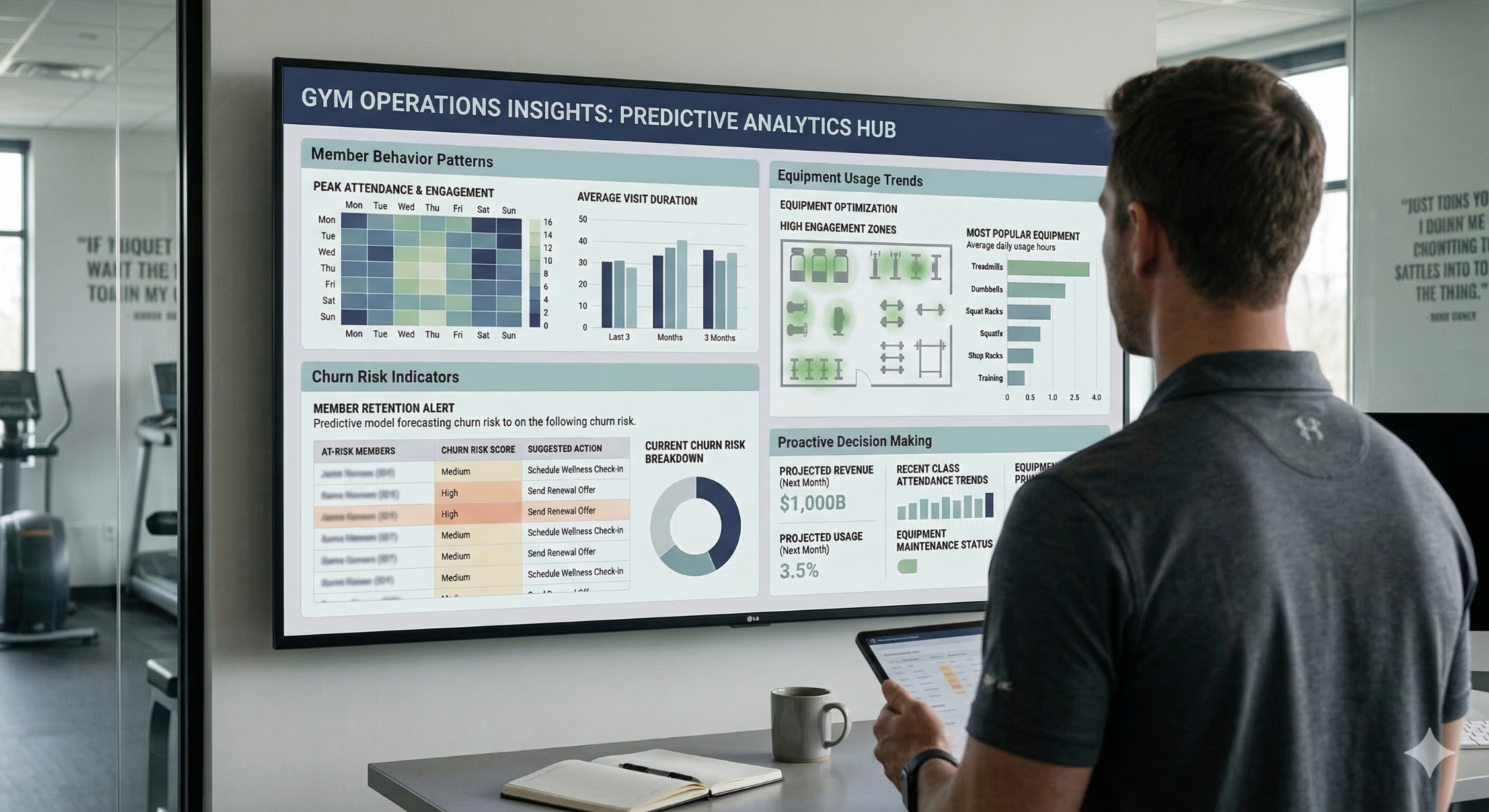
Introduction to Intelligent Predictive Analytics
Most businesses don’t struggle because they lack data.
They struggle because they can’t see what their data is telling them.
That’s where intelligent predictive analytics changes things.
Predictive analytics takes raw data and turns it into direction—helping teams understand what’s likely to happen next. By combining predictive analytics software, machine learning, and data modeling, organizations can forecast trends, improve operations, and reduce customer churn.
For many teams, this starts with a predictive analytics platform or business intelligence predictive analytics tools to better understand what is predictive analysis and how it supports smarter decisions through real-world predictive analytics solutions.
At Groe Solutions, we focus on something simple:
Helping businesses move from guessing to knowing.
What is Predictive Analytics?
Predictive analytics refers to the use of statistical models, machine learning, and data mining to analyze historical data and predict future outcomes.
If you’re asking:
- What are predictive analytics?
- Which of the following best describes predictive analytics?
The answer is simple:
It’s a forward-looking approach to understanding what’s likely to happen next based on patterns in your data.
It explains how does predictive analytics work—by learning from past behavior to estimate future outcomes.
👉 Related: https://groe.solutions/services/predictive-analytics
Why is Predictive Analytics Important?
The value of predictive analytics isn’t theoretical—it’s operational.
It helps businesses:
- Identify at-risk customers before they leave
- Improve targeting through predictive analytics in marketing
- Allocate resources more efficiently
- Drive revenue through better decision-making
If you’re asking why is predictive analytics important, it comes down to this:
It allows businesses to act early instead of reacting late.
This is especially impactful for:
- Predictive analytics for small business teams with limited resources
- Organizations looking to scale without increasing complexity
And in practice, it answers how can predictive analytics be used in business—from demand forecasting to sales prioritization.
The Role of Groe Solutions in Predictive Analytics
Overview of Groe Solutions
Groe Solutions is a gym intelligence platform built to help operators turn data into action.
We combine:
- Business analytics software
- Business intelligence products
- A unified predictive analytics platform
To give teams clarity on what’s happening—and what to do next.
Because most operators don’t need more dashboards.
They need direction.
Intelligent Predictive Analytics Solutions
Groe provides predictive analytics solutions designed to solve real operational problems.
This includes:
- Customer churn prediction software
- Customer churn prediction platforms
- Tools for customer behavior analysis
- Systems supporting predictive analytics in marketing
Unlike traditional tools, we don’t just surface insights—we connect them to action.
Key Components of Predictive Analytics
Business Intelligence Platform
A strong business intelligence platform is the foundation of predictive analytics.
Groe integrates multiple systems into one unified view, enabling:
- Real-time insights
- Centralized reporting
- Better decision-making
For teams asking what is real time business intelligence, this means:
seeing changes as they happen—and acting on them immediately.
👉 Related: https://groe.solutions/features/market-insights
Predictive Analytics Software
Modern predictive analytics software simplifies complex analysis and makes it usable.
Common predictive analytics examples include:
- Demand forecasting
- Upsell prediction
- Risk detection
- Churn modeling
These tools help teams move faster with more confidence.
Essential Steps for Predictive Analytics
1. Data Collection & Integration
Predictive analytics starts with data.
Strong data integration frameworks ensure that data is:
- Accurate
- Connected
- Usable
Without this, insights become unreliable.
2. Data Analysis Techniques
Once data is unified, analysis begins.
If you’re wondering which one of the following is used in predictive analytics, common methods include:
- Regression
- Classification
- Clustering
- Time-series forecasting
- Anomaly detection
These techniques define how does predictive analytics work in practice.
Predictive Analytics in Different Industries
Predictive Analytics in Marketing
Predictive analytics in marketing helps businesses:
- Identify high-value segments
- Improve campaign performance
- Optimize spend
Examples include:
- Next-best-offer models
- Campaign churn scoring
- Media optimization
Customer Behavior Analysis
Customer behavior analysis is one of the most valuable applications of predictive analytics.
It helps teams:
- Understand engagement patterns
- Predict future actions
- Improve retention strategies
Because customers rarely leave suddenly.
They drift first.
Unlock the potential of predictive analytics with Groe Solutions.
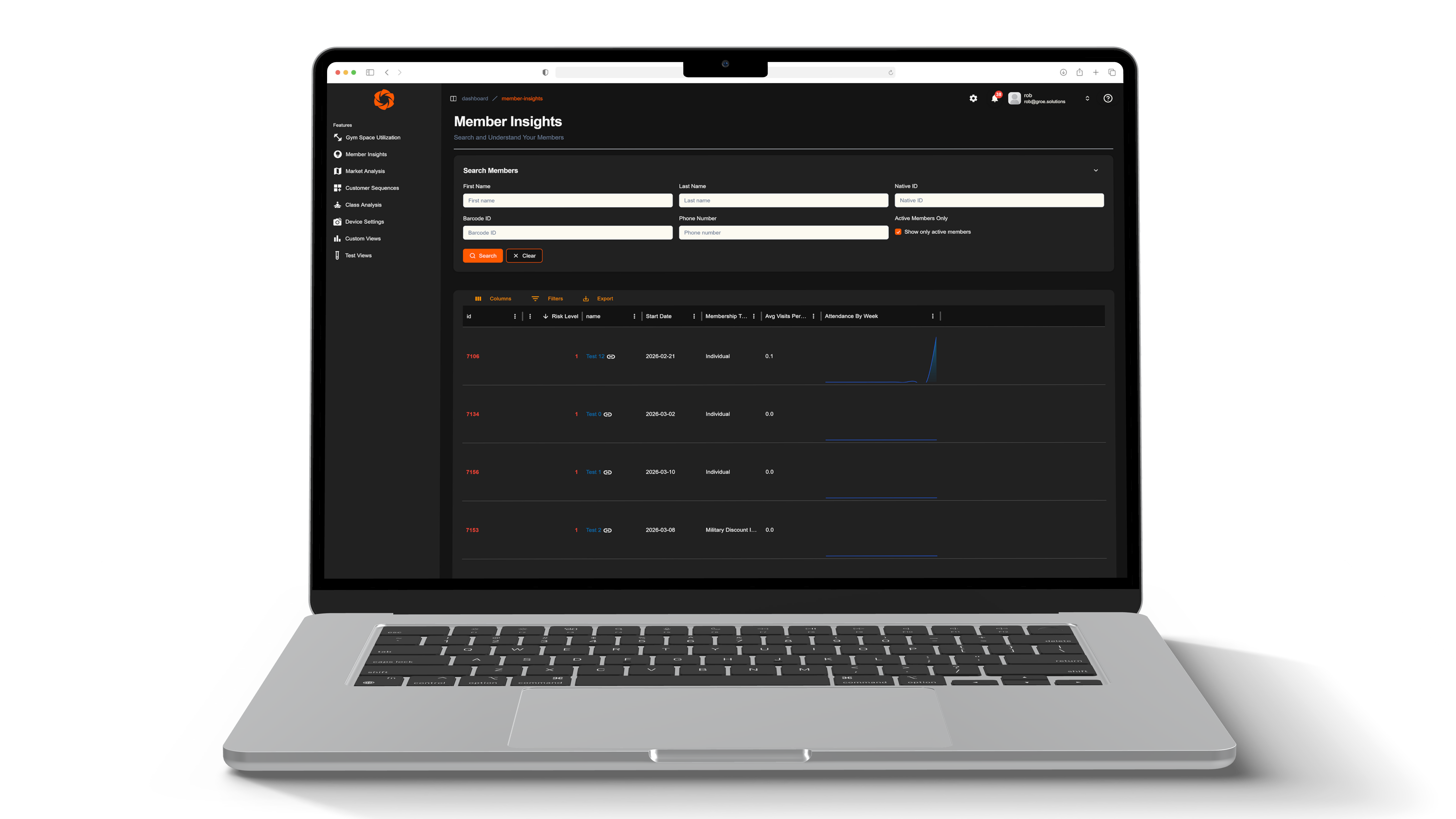
Churn Prediction in Subscription Services
What is Churn Prediction?
Churn prediction identifies customers who are likely to leave.
If you’re asking:
- What is churn prediction?
- How to predict churn?
It’s the process of using predictive models to estimate the likelihood of customer loss.
This is especially important for:
- Churn prediction in subscription services
- SaaS churn analytics prediction and prevention
Churn Mitigation & Prediction Tools
Effective churn mitigation and prediction tools don’t just identify risk—they enable action.
Groe connects churn insights to:
- Staff workflows
- Customer engagement strategies
- Operational adjustments
This is where most customer churn prediction platforms fall short.
They show the problem.
They don’t help solve it.
The Future of Predictive Analytics
Trends in Business Analytics Software
The next evolution of business analytics software includes:
- Automation
- Real-time processing
- AI-assisted modeling
These changes are driven by growing artificial intelligence applications in analytics.
AI in Predictive Analytics
Many ask:
Is predictive analytics AI?
Not exactly.
Predictive analytics often uses AI—but it’s a specific application focused on forecasting and decision-making.
As AI evolves, it will improve:
- Model accuracy
- Speed of insights
- Ease of use
Conclusion
Predictive analytics isn’t about more data.
It’s about clarity.
By using the right predictive analytics platform and predictive analytics software, businesses can:
- Reduce churn
- Improve operations
- Make better decisions
At Groe Solutions, we help teams turn data into action—so they can build stronger businesses and stronger communities.
Because when businesses understand their patterns,
they make better decisions.
And better decisions compound.
Q&A
Question: What is predictive analytics and how does it work?
Short answer: Predictive analytics uses statistical techniques, machine learning, and data mining to learn from historical data and estimate likely future outcomes. By integrating diverse data sources, it uncovers patterns and trends that provide forward-looking insights, giving organizations the foresight to navigate complex market dynamics and make informed decisions.
Question: How does Groe Solutions help organizations adopt intelligent predictive analytics?
Short answer: Groe Solutions offers a modern predictive analytics platform, business analytics software, and complementary business intelligence products that scale with your needs. The platform integrates multiple data sources for a unified view, supports real-time business intelligence with streaming updates and alerts, and provides user-friendly predictive analytics software powered by advanced algorithms. Solutions include customer churn prediction and customer behavior analysis, plus data integration frameworks and tools that trigger timely interventions across support, marketing, and customer success workflows.
Question: What are the essential steps and techniques for implementing predictive analytics?
Short answer: Start with robust data collection and integration to ensure accurate, relevant, and timely information—supported by governed data pipelines. Then apply analysis techniques such as exploratory data analysis, statistical modeling, and machine learning. Methods include regression, classification, clustering, time-series forecasting, and anomaly detection, selected based on the business question. Common applications include demand forecasting, upsell propensity scoring, and risk detection.
Question: How is predictive analytics used to predict and reduce churn in subscription services?
Short answer: Churn prediction models estimate the likelihood that a customer will discontinue their subscription, revealing churn patterns that inform targeted outreach, tailored offers, and product improvements. Teams can also forecast churn at the cohort or account level. Groe Solutions’ churn mitigation and prediction tools use real-time data analysis and predictive modeling to trigger proactive, cross-functional interventions that protect recurring revenue.
Question: Is predictive analytics the same as AI, and how will AI shape its future?
Short answer: Predictive analytics often uses AI and machine learning, but it is a focused application of those methods for forecasting and decision support. Emerging AI capabilities will further automate feature engineering, model selection, and monitoring, improving accuracy, efficiency, and the speed at which organizations can operationalize real-time insights.